
Summer Roof Damage in Ontario: The Hidden Problems Homeowners Miss and Does Home Insurance Cover Roof Damage?
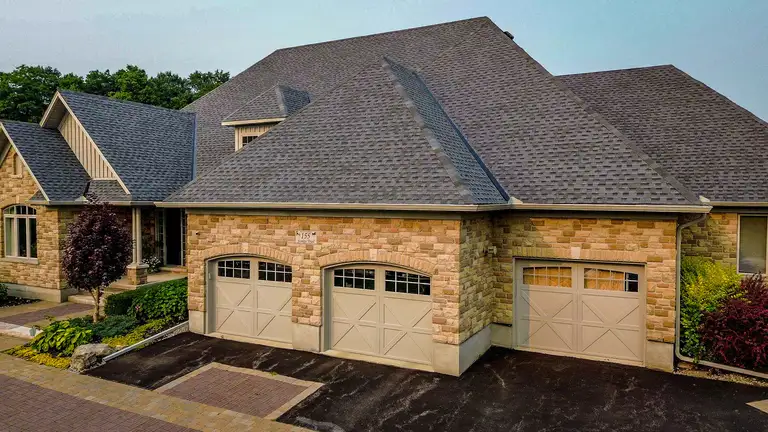
When most Ontario homeowners think about roof damage, they immediately think of winter snow, ice dams, and freezing temperatures. While winter can certainly be hard on a roof, summer often causes just as much damage—sometimes more. Prolonged heat, intense UV exposure, poor attic ventilation, and severe summer storms can silently shorten the lifespan of a roofing system without homeowners realizing there is a problem.
Understanding how summer weather affects your roof can help prevent costly repairs, extend the life of your shingles, and reduce the likelihood of unexpected leaks.
One of the most common summer roofing problems is ultraviolet (UV) damage. Asphalt shingles are exposed to direct sunlight every day, and over time UV rays gradually break down the protective oils within the shingles. As these materials deteriorate, shingles can become brittle, lose granules, crack, and become more vulnerable to wind damage and water penetration. South-facing roof slopes often show signs of deterioration sooner because they receive the most direct sunlight throughout the year.
Poor Attic Ventilation
Another hidden issue is poor attic ventilation. Many homeowners do not realize that attic temperatures can exceed 60°C (140°F) during Ontario summers when ventilation is inadequate. Excessive attic heat can accelerate the aging process of roofing materials from underneath, causing shingles to deteriorate faster than expected. Poor ventilation can also increase cooling costs, create moisture problems, and potentially impact manufacturer warranty coverage.
Attic Heat Buildup
Attic heat buildup is closely related to ventilation problems and is one of the most overlooked causes of premature roof failure. When hot air becomes trapped in the attic, the roof deck expands and contracts repeatedly under extreme temperatures. This continuous stress can weaken roofing materials, reduce their lifespan, and contribute to warping, cracking, and structural concerns over time.
Shingle Blistering
Shingle blistering is another summer-related issue that often goes unnoticed until significant damage has occurred. Blistering appears as small raised bubbles on the surface of shingles and typically develops when excessive heat or trapped moisture causes the shingle materials to separate. Once blistering occurs, the protective surface can break down, leaving the roof more vulnerable to weather-related damage.
Sealant Failure
Sealant failure is also common during periods of prolonged heat. Roofing systems rely on sealants around flashing, vents, skylights, chimneys, and other roof penetrations to prevent water intrusion. Constant exposure to sunlight and fluctuating temperatures can cause these sealants to dry out, crack, shrink, or separate. Even a small failure in these areas can allow water to enter the roofing system and create leaks that may not become visible until substantial damage has already occurred.
Summer Storms
Summer storms present an additional risk. High winds, heavy rainfall, hail, and sudden temperature changes can damage shingles, flashing, gutters, and roof accessories. In many cases, storm damage is not immediately obvious from the ground, which is why professional inspections following severe weather events are recommended.
Does my Insurance Policy Cover Roof Damage?
Many homeowners also wonder whether their home insurance policy covers roof damage. The answer depends largely on the cause of the damage. Most insurance providers generally cover sudden and accidental damage caused by events such as windstorms, hail, falling trees, lightning strikes, and other covered perils. However, damage resulting from normal aging, lack of maintenance, neglect, or gradual deterioration is typically not covered.
For example, if a severe summer storm removes shingles or causes a tree branch to damage your roof, insurance may provide coverage for repairs. On the other hand, if the roof develops leaks because aging shingles have deteriorated over many years or because maintenance issues were ignored, homeowners are often responsible for the repair costs.
The Insurance Bureau of Canada notes that insurance is designed to protect homeowners against sudden and accidental losses rather than predictable wear and tear or maintenance-related issues. This distinction makes regular roof inspections and preventative maintenance especially important for protecting both your home and your insurance coverage.
Why Roof Inspections Are Important?
Because many forms of summer roof damage develop gradually, scheduling periodic professional roof inspections can help identify small problems before they become expensive repairs. Early detection of ventilation deficiencies, damaged sealants, blistering shingles, or storm-related damage can significantly extend the life of your roofing system and reduce the risk of future leaks.
Frequently Asked Questions
Can hot weather damage a roof?
Yes. Prolonged exposure to high temperatures and UV radiation can accelerate shingle aging, cause sealants to fail, contribute to blistering, and increase attic temperatures that negatively affect roofing materials.
How hot can an attic get during summer?
Poorly ventilated attics can exceed 60°C (140°F) during hot Ontario summers. Excessive attic heat can shorten the lifespan of shingles and increase energy costs.
Does homeowners insurance cover roof leaks?
Insurance may cover roof leaks if they result from a covered event such as a storm, wind damage, or a fallen tree. Leaks caused by aging, wear and tear, or neglected maintenance are typically not covered.
What are signs of poor attic ventilation?
Common signs include high cooling bills, excessive attic heat, mold or moisture buildup, uneven roof aging, ice dam formation during winter, and premature shingle deterioration.
What causes shingle blistering?
Shingle blistering can result from excessive heat, trapped moisture, manufacturing defects, or poor attic ventilation. Blisters can weaken shingles and reduce their ability to protect against water intrusion.
How often should a roof be inspected?
Most roofing professionals recommend a roof inspection at least once per year and after major storms to identify damage before it leads to costly repairs.
Check out the Insurance Bureau of Canada –for a better understanding of what home insurance typically covers and what exclusions may apply for roof damage: Contact us for expert residential and commercial roofing assistance.
- roof damageroofing damage
Limited Time Promo
*FREE* GAF Golden Pledge Warranty Up to $1200 in value.
25-Year workmanship + 50-year non-prorated coverage with a full roof replacement.